
Top 10 Best Credit Cards in India (2026) – Compared on Rewards, Cashback & Fees

Top 10 Best Credit Cards in India 2026
India now has more than 10.8 crore credit cards in circulation nearly double what it was five years ago and credit spending linked to UPI crossed 750 million transactions in a single year. The market is more competitive and confusing than ever.
Here’s the deal: There’s no one “best credit cards in India”. There is only the best card for your spending practices. The needs of a frequent flyer are entirely different from a daily Swiggy user. This guide cuts through the noise, ranking the top 10 cards in India for 2026 by category, so you can find your match within 5 minutes.
Table of Contents (Best Credit Cards in India)
Quick Comparison Table of the Best Credit Cards in India
| Best Credit Cards in India | Best For | Annual Fee | Key Reward |
| HDFC Infinia Metal | Premium travel & overall | ₹12,500 (waived at ₹10L spend) | 3.33% base; up to 33% via SmartBuy |
| Axis Magnus (Burgundy) | Super-premium / high spenders | ₹30,000 (waived at ₹30L spend) | 5:4 air mile transfers; 35 RP/ ₹200 after ₹1.5L/month |
| HDFC Regalia Gold | Mid-premium travel & lifestyle | ₹2,500 (waived at ₹4L spend) | 1.3%–13% reward rate, lounge access |
| Axis Atlas | Travel rewards /air miles | ₹5,000 | EDGE Miles redeemable 1:1 for travel |
| Amazon Pay ICICI | Lifetime-free online shopping | ₹0 (LTF) | 5% on Amazon (Prime); 2% partners; 1% elsewhere |
| Axis Ace | Flat cashback | ₹500 (waived at ₹2L spend) | 5% utility via GPay; 4% Swiggy/Zomato/Ola; 1.5% all else |
| Kiwi RuPay | UPI payments | ₹0 (LTF) | Rewards on every UPI scan; RuPay UPI support |
| Scapia | Lifetime-free travel for beginners | ₹0 (LTF) | Zero forex; lounge access; 2% Scapia coins |
| BPCL SBI Card OCTANE | Fuel savings | ₹1,499 | Rewards on every UPI scan; RuPay UPI support |
| HDFC Millennia | Everyday online spend | ₹1,000 (waived at ₹1L spend) | 5% on SmartBuy & top merchants; 1% elsewhere |
| BPCL SBI Card OCTANE | Fuel savings | ₹1,499 | 25 RP/₹100 at BPCL; ~6.25% effective value-back on fuel |
1. HDFC Infinia Metal – Best Overall / Premium Travel
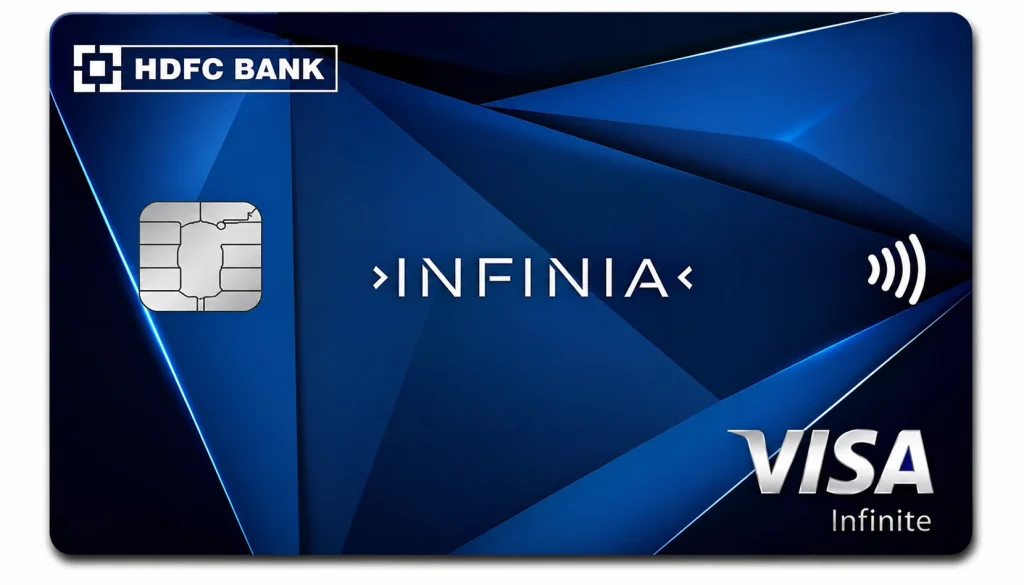
Reason for being on the list of the best credit cards in India: For more than a decade, HDFC Infinia has been ranked as India’s top-tier super-premium card. That gets a baseline reward rate of 3.33% and can nudge that up to an outstanding ~33% on SmartBuy travel bookings, the best overall reward card on the Indian market.
| Card | Best For | Annual Fee | Key Reward |
| HDFC Infinia Metal | Premium travel & overall | ₹12,500 (waived at ₹10L spend) | 3.33% base; up to 33% via SmartBuy |
Main features & rewards:
- 5 Reward Points on every ₹150 spent on eligible retail (approx 3.33% value)
- Earn up to 10x Reward Points on SmartBuy. 1 RP = Rs. 1 on SmartBuy travel bookings
- Domestic airport lounge access (main card + add-on cards) Free unlimited
- Unlimited international lounge access with Priority Pass (1,000+ lounges worldwide)
- Club Marriott Membership (1st Year) ITC Hotels Benefits (Buy 3 Nights, Pay 2)
- Unlimited golf lessons & rounds at partner courses in India & abroad
- 1:1 air mile conversions, points also redeemable for Apple products and Tanishq vouchers
- 24/7 Global concierge service.
Fees:
- Joining fee: ₹12,500 + GST
- Annual renewal fee: ₹12,500 + GST
- Waiver: Spend ₹10 lakh or more in the preceding year
- Forex markup: 2% (low for this tier)
2026 Worth Knowing update: As of April 2026, existing Infinia holders will need to spend ₹18 lakh annually on the card or have a ₹50 lakh relationship value with HDFC Bank to keep holding to it. This has made it very difficult to get hold of the card but for those who, meet the bar, the benefits are still best in class.
Eligibility: Invite only; HDFC Bank does not publicly fix income criteria but generally prefers a high existing credit limit, solid banking relationship and large spend history.
Pros: Unbeatable Travel Redemption Ecosystem, Unlimited Lounge Access, Low Forex Markup, generous hotel and lifestyle perks.
Cons: Invite only; ₹18L annual spend requirement from April 2026; redemption caps (₹1.5L points/month for travel); some categories excluded from points.
Best for: Travelers with existing relationships with frequent domestic and international travelers HDFC Bank.
2. Axis Magnus for Burgundy – Best Super-Premium / High Spenders
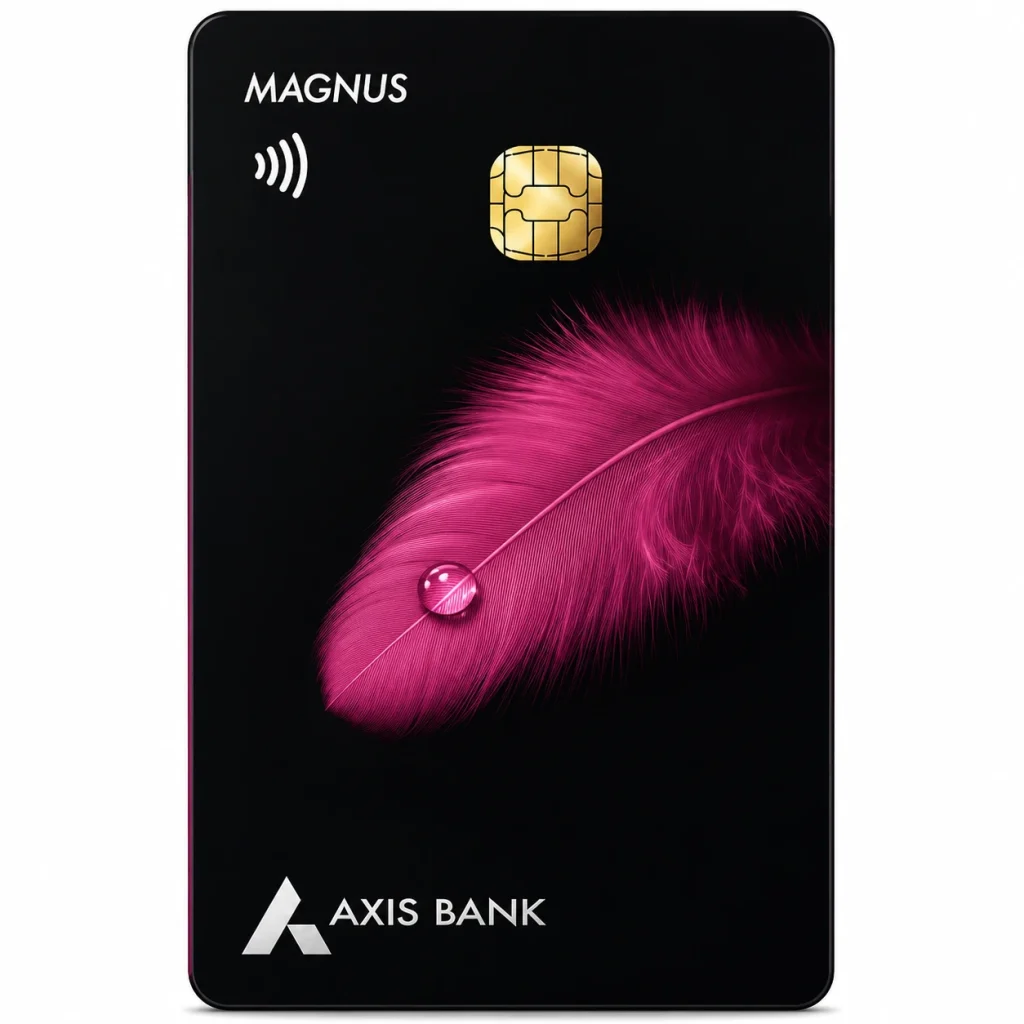
Why it’s on the list of best credit cards in India: The Magnus Burgundy has one of the highest reward rates out there on any Indian card after you cross ₹1.5 lakh in eligible monthly spends. 5:4 transfer India’s closest thing to a premium global travel card is a ratio with 20 airline and hotel partners.
| Card | Best For | Annual Fee | Key Reward |
| Axis Magnus for Burgundy | ₹30,000 (waived at ₹30L spend) | ₹30,000 (waived at ₹30L spend) | 5:4 air mile transfers; 35 RP/ ₹200 after ₹1.5L/month |
Key Benefits & Features:
- 12 EDGE RP per ₹200 on eligible spends up to ₹1.5 lakh/month
- 35 EDGE RP per ₹200 on incremental spends beyond ₹1.5 lakh/month
- 60 EDGE RP per ₹200 on Travel EDGE bookings (up to ₹2 lakh/month)
- 5 EDGE RP – 4 partner miles/points (Burgundy exclusive ratio)
- 20 airline and hotel transfer partners
- Unlimited domestic and international lounge access (primary + add-on)
- Airport meet-and-greet services
- Welcome benefit: ₹5,000 voucher (Luxe Gift Card, The Postcard Hotel, or Yatra choose one)
- 15% savings at The Leela Palace Hotels & Resorts (valid through September 2026)
Fees:
- 30,000 + GST
- Yearly renewal fee: Rs.30,000 + GST
- Waiver: Expenditure of ₹30 lakh or more in the previous year
- Forex Markup: 2%
Eligibility: Net annual salary of ₹24 lakh or net ITR filed for ₹24 lakh. Burgundy account required for the enhanced 5:4 transfer ratio.
Pros: Top-tier air mile earning potential on spend above 1.5L/month; 5:4 transfer ratio to 20 partners. Unlimited lounge access. Premium travel benefits.
Cons: Annual fee of ₹30,000; 5:4 ratio requires Burgundy account; Several major rewards exclude categories (insurance, utilities, fuel, government, rent) from both waiving calculations; ₹1.5L/month spend required to activate best earning rates.
Best for: Travelers with a high income who frequently redeem into airline miles and hotel points.
3. HDFC Regalia Gold – Best Mid-Premium Travel & Lifestyle

Why it’s on the list of best credit cards in India: Regalia Gold is the sweet spot for professionals seeking meaningful travel benefits without a super-premium price tag. It provides good reward rates, lounge access and strong co-brand memberships at an affordable price point for everyone. And that’s why it’s on the list of best Credit Cards in India.
| Card | Best for | Annual Fee | Key Reward |
| HDFC Regalia Gold | Mid-premium travel & lifestyle | ₹2,500 (waived at ₹4L spend) | 1.3%–13% reward rate, lounge access |
Rewards and Key Features:
- 4 Reward Points per ₹150 spent (≈1.33% base rate)
- Up to 5x rewards at select partner merchants
- Welcome voucher worth ₹2,500 + Club Mahindra Silver Tier and MakeMyTrip Black Elite
- membership (on ₹1 lakh spend within 90 days)
- Complimentary domestic lounge access (quarterly allowance)
- Travel insurance coverage
- Fee waiver on ₹4 lakh annual spend
Fees:
- Annual Fee: INR 2,500 + GST
- Waiver: Spend Rs 4 lakh in the last year (almost free for most active users)
Eligibility: Generally income criteria ₹12-15 lakh per annum; credit score 700+
Pros: Very reasonable fee with easy waiver; solid reward rate for a mid-tier card; valuable good balance between travel and everyday use; welcome memberships.
Cons: Rewards rate is well below that of super-premium cards; lounge visits are limited per quarter, Infinia less profitable than SmartBuy redemptions.
Best for: Working professionals spending ₹3-6 lakh a year and want actual travel benefits without a fee of five figures.
4. Axis Atlas – Best for Air Miles & Travel Rewards
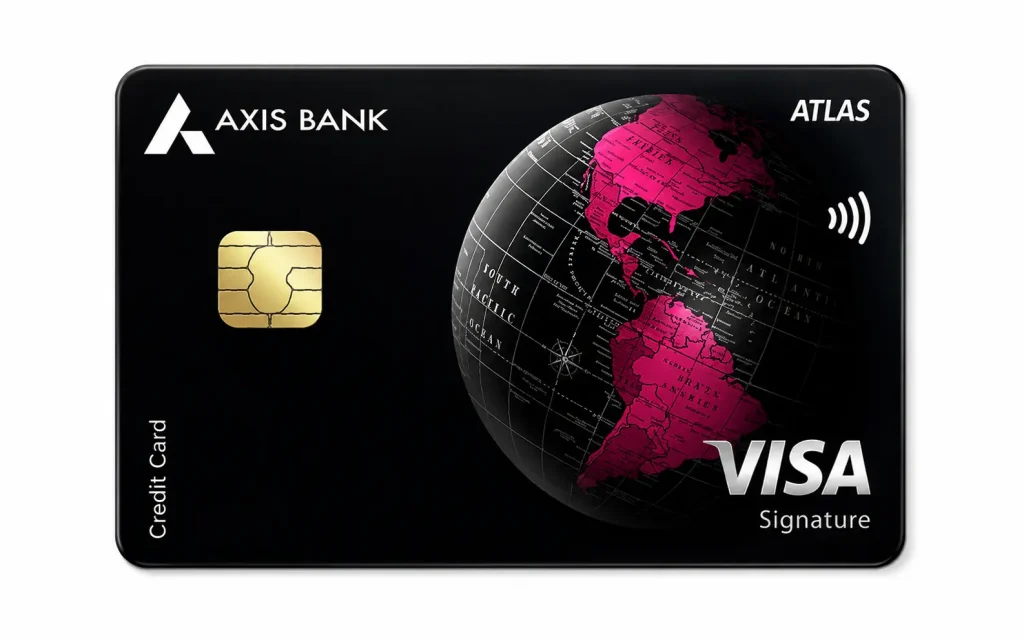
Why it’s on the list of best credit cards in India: Atlas is designed for points-and-miles junkies who want to turn everyday purchases into free flights. Earned EDGE Miles convert 1:1 for travel redemptions with partners that include several domestic and international airlines.
| Card | Best for | Annual Fee | Key Reward |
| Axis Atlas | Travel rewards /air miles | ₹5,000 | EDGE Miles redeemable 1:1 for travel |
Main Rewards & Features:
- Earn EDGE Miles on all eligible purchases
- 1 EDGE Mile = ₹1 when redeemed via Axis Travel EDGE portal
- Transfer to airline loyalty programs; many domestic and international partners
- Airport lounge access (domestic & international) as a complimentary benefit
- Low margin forex
Fees:
- ₹5,000 + tax
- Fee waiver conditions for reaching annual spend thresholds
Note: Axis Bank has dropped Accor as a transfer partner, if Accor redemptions were key to your strategy, the HSBC Travel One card (which picked up Accor) is now worth adding with the Atlas.
Who qualifies: Income verification required; Recommended 700+ credit score.
Pros: Clean 1:1 travel redemption structure; multiple airline partners, strong value for redemptions on flights and hotels, dedicated travel portal.
Cons: Recent loss of Accor as transfer partner narrows the redemption ecosystem; value depends heavily on active travel redemptions (poor for cashback preference).
Best for: Loyalty program-savvy and active redeemers, travel card holders points for flight or hotel bookings.
This is one of the best cash back credit cards in India.
5. Amazon Pay ICICI – Best for Online Shopping, Free for Lifetime
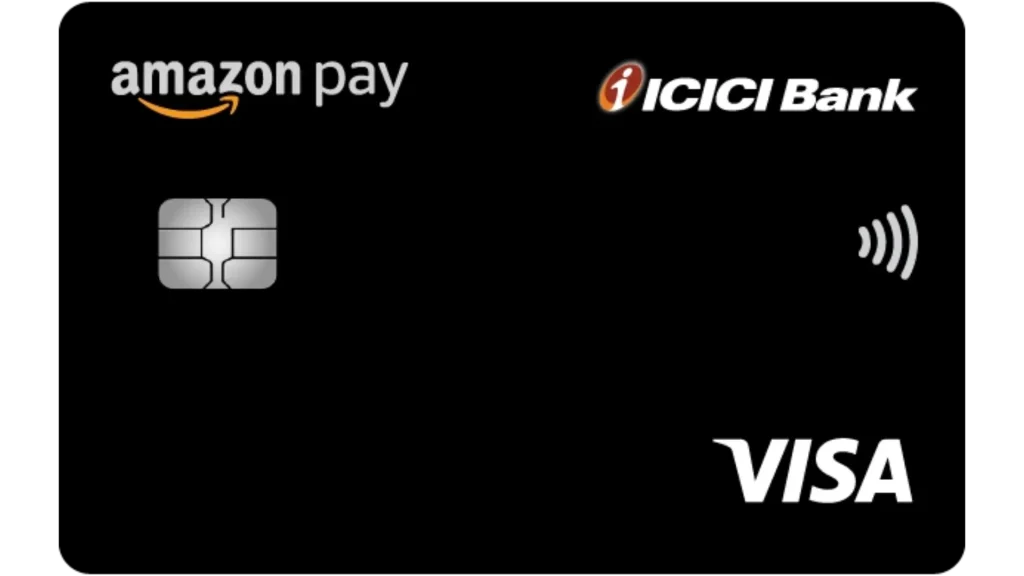
Why it’s on the list of best credit cards in India: Zero annual fee, zero caps on Amazon cashback, and automatic credit to your Amazon Pay balance. For anyone who shops on Amazon with an active Prime membership, this card is a no-brainer addition to any wallet.
| Card | Best for | Annual Fee | Key Reward |
| Amazon Pay ICICI | Lifetime-free online shopping | ₹0 (LTF) | 5% on Amazon (Prime); 2% partners; 1% elsewhere |
Key features & benefits:
- Amazon.in Prime Members Get Unlimited 5% Cashback (No Monthly Cap)
- 3% Cashback on Amazon.in for Non Prime Members
- 2% cashback on 100+ Amazon Pay partner merchants.
- 1% on other eligible spends*
- Cashback auto credited to Amazon Pay balance in every billing cycle
- No join fee. No annual fee. Ever.
2026 Changes to Watch For:
- From January 15, 2026, transactions loading ₹5,000 and above to a wallet will attract a 1% fee.
- Forex markup reduced from 3.5% to 1.99% (effective October 2025) – now one of the best LTF cards for international spends too
- Card is now being marketed by ICICI as an invite-only program on their marketing page; applications may be targeted through Amazon or ICICI channels
Eligibility: Typically 750+ credit score; salaried and self-employed available people.
Pros: Genuinely lifetime free; 5% unlimited cashback on Amazon; automatic redemption (no points portal to navigate); 1.99% forex markup now competitive.
Cons: Cashback is locked into the Amazon Pay ecosystem (can’t be withdrawn to bank account), no lounge access, no add-on cards, 1% wallet load fee from Jan 2026, limited value if you don’t shop primarily on Amazon.
Best for: Frequent Amazon shoppers with Prime membership who want a zero-fee card that pays back automatically.
6. Axis Ace – Best Flat Cashback Card
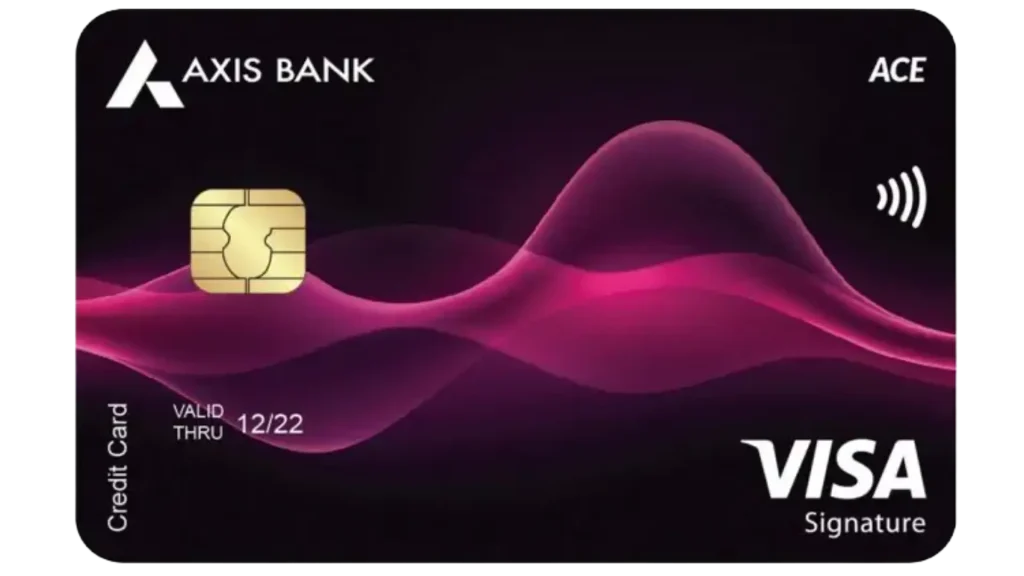
Why it made the list of best credit cards in India: Most credit cards offer token rewards on utilities – the expenses quietly eat up your monthly budget. Axis Ace turns that around by offering 5% cashback on utility bills and recharges using Google Pay. Best entry level cashback card for digital-first spenders in India.
| Card | Best for | Annual Fee | Key Reward |
| Axis Atlas | Travel rewards /air miles | ₹5,000 | EDGE Miles redeemable 1:1 for travel |
Best rewards and features:
- 5% cash back on Electricity, Gas, Water, Internet, DTH and Mobile recharges using Google Pay
- 4% Cashback on Swiggy, Zomato & Ola
- 1.5% back on all other eligible transactions (no exclusions for general spend)
- 4 free visits to domestic airport lounges per annum (on minimum spend)
- 15% off, at over 4,000 restaurants on dining
- 1% fuel surcharge waiver (transactions worth ₹400-₹4,000; up to ₹500/month)
Joining fee:
- Annual fee: ₹500 + GST (joining fee reversed on ₹10,000 spend within 45 days)
- Waiver: Spend ₹2 lakh in the preceding year
Important cap: The 5% and 4% cashback categories have a combined cap of ₹500 per month. The 1.5% base rate is uncapped.
Eligibility: First time card users; 18-70 years of age, Credit score 750+ preferred, Axis Bank does not reveal income criteria.
Pros: Excellent utility bill cashback that most cards ignore; strong food delivery and cab rewards; lounge access at this fee tier is rare; easy fee waiver; 1.5% base rate is above average.
Cons: ₹500/month combined cap on accelerated categories limits maximum gains; 5% Google Pay utility cashback is platform-specific; no rewards on EMI transactions.
Best for: Young professionals and first-time credit card users who pay utility bills and food delivery regularly.
7. HDFC Millennia – Best for Everyday Online Spend
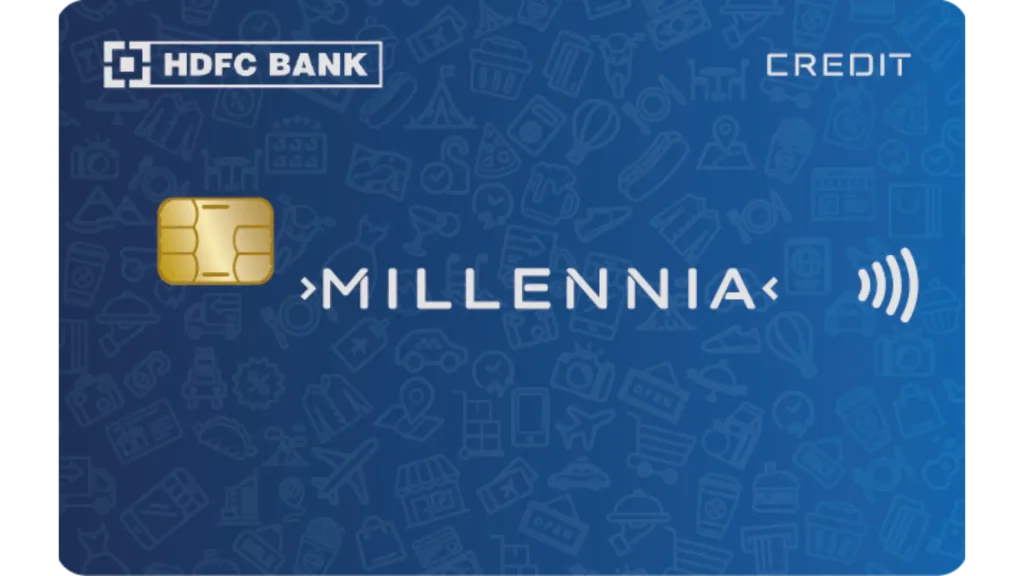
Why it’s on the list of best credit cards in India: Millennia targets digital-first users with higher cashback rates at the merchants most Indians shop on – Amazon, Flipkart, Myntra, Swiggy, Zomato, BookMyShow, and more. It’s HDFC’s flagship entry card for the online generation and this is why it deserves to be on this list of best Credit Cards in India.
| Card | Best for | Annual Fee | Key Reward |
| HDFC Millennia | Everyday online spend | ₹1,000 (waived at ₹1L spend) | 5% on SmartBuy & top merchants; 1% elsewhere |
Key rewards & features:
- 5% Cashback on SmartBuy and leading online merchants (Amazon, Flipkart, Myntra, Swiggy, Zomato, BookMyShow, Uber and many others)
- 2.5% Cashback on Payzapp & SmartBuy
- 1% cashback on all other spending.
- Complimentary access to domestic lounges (quarterly limit)
- Welcome gift: ₹1,000 cashback voucher
Fees:
- Annual fee: ₹1,000 + GST
- Waiver: Spend ₹1 lakh in the preceding year
Charges:
- Annual fee – Rs. 1,000 + GST
- Waiver: Spend ₹1 lakh in the preceding year
Eligibility: Income ₹35,000/month or above; credit score 700+.
Pros: Covers the broadest range of popular online merchants for accelerated cashback; HDFC network reliability and customer service; easy fee waiver; good starting card for HDFC’s product ladder.
Cons: 5% rate is capped (check current T&Cs for monthly cap); points must be redeemed through SmartBuy; lower value for offline-heavy spenders.
Best for: Young professionals who spend heavily on e-commerce, food delivery, and entertainment platforms.
8. Kiwi RuPay – Best for UPI Payments
Why it’s on the list of best credit cards in India: This is the only card built from the ground up specifically for UPI users. Every QR scan rewards you – which almost no other card does, because most credit cards on Visa and Mastercard networks cannot link to UPI at all.
| Card | Best for | Annual Fee | Key Reward |
| Kiwi RuPay | Everyday online spend | ₹0 (LTF) | Rewards on every UPI scan; RuPay UPI support |
Key rewards & features:
- Rewards on every UPI transaction (Scan & Pay)
- 2x Kiwi Points on UPI payments vs standard POS spend
- Lifetime free – no annual fee ever
- RuPay network (the only network that supports credit card payments over UPI in India)
- Works with PhonePe, Google Pay, and other UPI apps
Fees: ₹0 – genuinely lifetime free.
Eligibility: Income and credit score criteria apply; check Kiwi’s app for current requirements.
Pros: Only card that rewards UPI QR payments; lifetime free; simple and intuitive reward structure; ideal pairing with a cashback card for non-UPI spends.
Cons: Relatively newer issuer with a smaller portfolio of add-on benefits; Kiwi Points redemption options narrower than bank-issued cards; value depends heavily on how much you transact via UPI QR.
Best for: Anyone whose daily spending runs predominantly through UPI – auto-rickshaws, local vendors, utility payments, and everyday QR scans.
9. Scapia – Best Lifetime-Free Travel Card for Beginners

Why it’s on the list of Best Credit Cards in India: Getting into travel rewards usually requires a substantial fee or premium eligibility. Scapia breaks that barrier with zero annual fee, zero forex markup, and complimentary airport lounge access – making it the easiest entry point into travel-focused credit cards.
| Card | Best for | Annual Fee | Key Reward |
| Scapia | ₹0 (LTF) | ₹1,000 (waived at ₹1L spend) | Zero forex; lounge access; 2% Scapia coins |
Key rewards & features:
- Zero forex markup on international transactions (rare at any fee level)
- Complimentary domestic airport lounge access
- Earn Scapia coins on every spend (approximately 2% on eligible transactions)
- No annual fee – lifetime free
- RuPay-based, supports UPI in India
Fees: ₹0 – lifetime free.
Eligibility: Broader eligibility than premium travel cards; income and credit score criteria apply via the Scapia app.
Pros: Zero forex markup is genuinely exceptional for a free card; lounge access at no cost; simple earn-and-redeem structure; low barrier to entry for new cardholders.
Cons: Reward rate (approx. 2% in Scapia coins) lags behind paid travel cards, redemptions are within Scapia’s ecosystem, limited premium lifestyle perks compared to paid alternatives like Axis Atlas or Regalia Gold.
Best for: First-time credit card users who travel internationally occasionally and want to start earning travel perks without paying a fee.
10. BPCL SBI Card OCTANE – Best Fuel Card
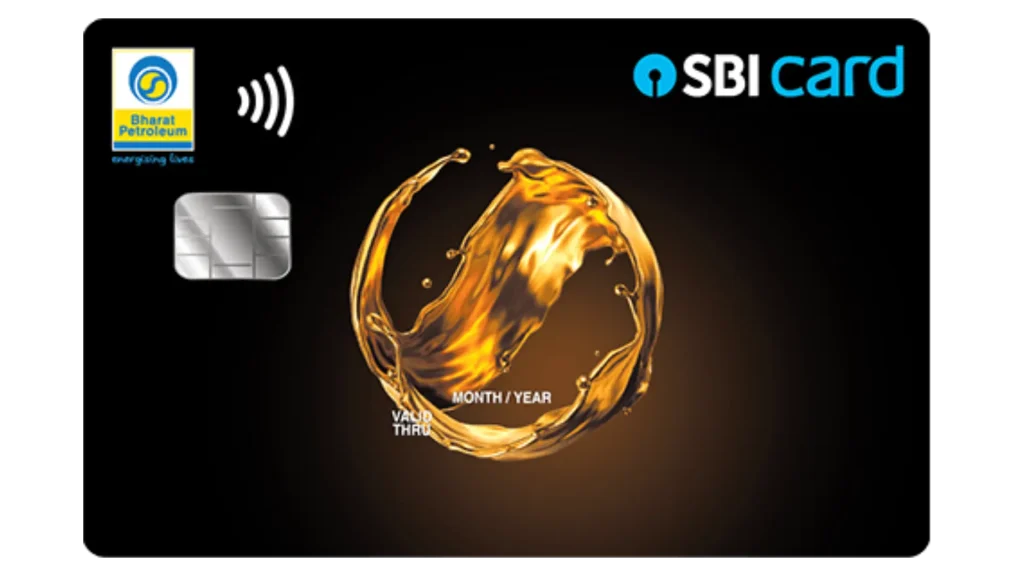
Why it’s on the list best credit cards in India: Fuel is one of the largest recurring expenses for car owners and fleet managers, yet most cards give you near-zero on petrol pump transactions. BPCL SBI OCTANE gives up to 25x reward points at BPCL outlets, translating to an effective value back of around 6.25% on fuel – one of the best fuel return rates in India.
| Card | Best for | Annual Fee | Key Reward |
| BPCL SBI Card OCTANE | ₹1,499 | ₹1,000 (waived at ₹1L spend) | 25 RP/₹100 at BPCL; ~6.25% effective value-back on fuel |
Key rewards & features:
- 25 Reward Points per ₹100 spent on BPCL fuel, lubricants, and Bharat Gas
- Reward rate of approximately 6.25% effective value-back at BPCL outlets
- 10 RP per ₹100 on dining, departmental stores, groceries, and movies
- 1 RP per ₹100 on all other transactions
- 6,000 bonus reward points on joining
- Complimentary Netmeds First Membership (renewed annually on card renewal)
- 1% fuel surcharge waiver at BPCL outlets
Fees:
- Annual fee: ₹1,499 + GST
- Welcome bonus of 6,000 points helps offset first-year cost
Eligibility: Age 21+ (salaried) or 25+ (self-employed); income and credit score criteria apply.
Pros: Best fuel reward rate available; broad BPCL network across India; decent bonus categories for dining and groceries; welcome points partially offset the annual fee.
Cons: Acceleration only at BPCL outlets – poor value at other fuel brands; 1 RP/₹100 base rate is weak; not suited as a primary card if fuel isn’t your top spend category.
Best for: Car owners, daily commuters, and fleet managers who refuel predominantly at BPCL petrol pumps.
How to Choose the Best Credit Cards in India
Step 1: Match the card to your dominant spend category. Pull your last three months’ bank or UPI statements. Where does most of your money go – fuel, Amazon, food delivery, utility bills, or flights? That single category should drive your first card choice.
Step 2: Do the fee math. A card charging ₹5,000 that returns ₹20,000 in travel miles is effectively “cheaper” than a lifetime-free card that returns nothing. Fee waiver conditions make many premium cards effectively free anyway – HDFC Regalia Gold’s ₹2,500 fee disappears on ₹4 lakh annual spend, which works out to ₹33,000 a month. Most salaried professionals hit this without trying.
Step 3: Check your credit score first. Most good cards require a score of 700 and above. Entry-level options from SBI, ICICI, or digital-first cards like Kiwi have higher approval rates and more flexibility on credit history for first-time applicants.
Step 4: Understand the UPI reality in 2026. RuPay is currently the only card network that supports credit card payments over UPI. If you scan QR codes daily via PhonePe or Google Pay, you need a RuPay credit card – otherwise, those transactions earn zero rewards. Many power users carry one RuPay card (Kiwi or Scapia) for UPI and one Visa/Mastercard (Amazon Pay ICICI or Axis Ace) for online shopping.
Step 5: Know when to hold two cards. Two to three cards is ideal for most people. A popular combination: Kiwi (UPI and daily QR payments) + Amazon Pay ICICI (Amazon shopping, no fee) + a paid travel or cashback card based on your primary lifestyle spend.
Must Read – Digital Lending Rules 2026 Explained
FAQs
Which is the best credit card in India for 2026?
There is no single answer. For premium travel, HDFC Infinia is the benchmark. For cashback, Amazon Pay ICICI (if you shop on Amazon) or Axis Ace (if you focus on utilities and food delivery) lead. For UPI, Kiwi RuPay has no real competitor. Start by identifying your top spending category
Which card gives the highest cashback?
Amazon Pay ICICI gives 5% unlimited cashback on Amazon for Prime members – uncapped, automatic, and free. For utilities and food delivery apps, Axis Ace’s 5% on Google Pay bill payments and 4% on Swiggy/Zomato is highly competitive at just ₹500/year.
Can I get a credit card with a low CIBIL score?
A score below 700 limits your options significantly. Secured credit cards (backed by a fixed deposit with the same bank) are the recommended path – SBI, IDFC FIRST, and ICICI all offer FD-backed cards. These report to CIBIL and help rebuild your score over 12–18 months without the rejection risk of applying for a standard card.
Which credit card is best for UPI payments?
Kiwi RuPay Credit Card is the clearest answer in 2026. It rewards every UPI QR scan – something most cards don’t do at all, because Visa and Mastercard cards cannot link to UPI in the first place. Scapia is also a solid no-fee alternative with RuPay support.
Is a lifetime-free card better than a paid one?
Not automatically. A lifetime-free card that earns 1% across the board may return less value than a ₹2,500/year card that’s waived on spend and earns 5% on your dominant category. Do the annual math: (estimated annual spend in top category × reward rate) − effective annual fee = net value. If that number is positive and large, the paid card wins.
Also Read – Aadhaar Loans: Apply for Instant Personal Loan Online
Conclusion of the Best Credit Cards in India
The credit card market in 2026 rewards people who match card to category. The days of one card doing everything well are fading, banks are tiering their reward structures to drive spending in specific buckets. The playbook is simple: identify where your money actually goes, find the card that pays the most for that category, and add a free RuPay card for UPI if you’re not already using one.
If you’re not yet eligible for any of the cards above due to a thin credit history or low score, a secured credit card or a credit builder product is the right first step. Building a track record of on-time payments for 12–18 months opens the door to virtually every card on this list.
