
How to Get a Personal Loan: Eligibility, Documents & Steps to Apply

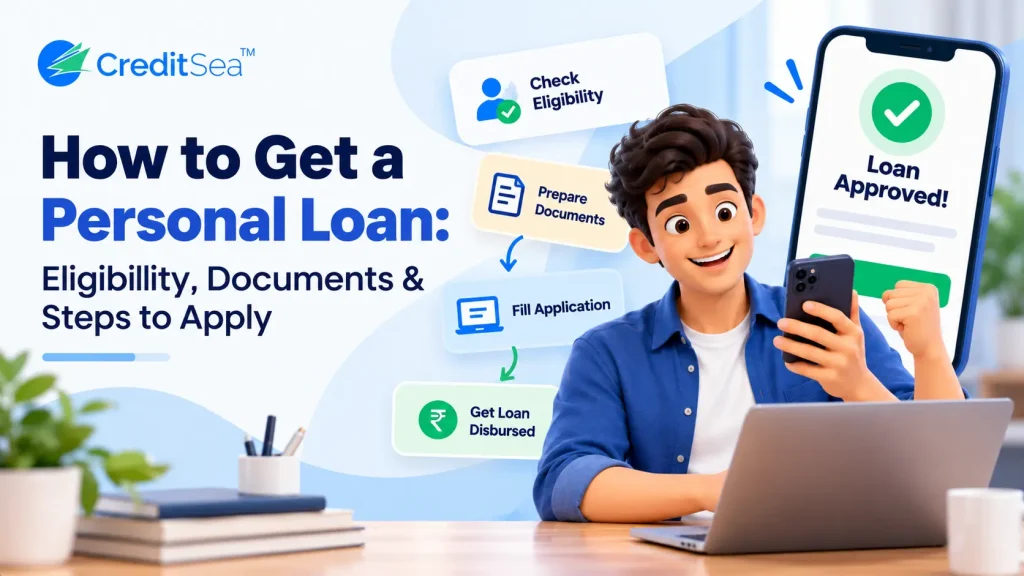
There are times when you need money for an expense that has arrived so unexpectedly, when you need to pay a medical bill, or when you need to make an important purchase. A personal loan is an option that you can consider. So, before you apply, it’s important that you understand how to get a loan, what information a lender asks for, and how you will choose a repayment plan that fits your budget.
The process of getting a personal loan involves more than just filling out your loan application. In this article, you will get a step-by-step guide on how to get a loan.
What is a personal loan?
A personal loan is a loan that you take to fulfill your personal needs; it lets you borrow a fixed amount that you need to repay in fixed installments in a given set of time periods. Personal loans are usually unsecured loans, meaning they don’t require you to provide collateral or a particular asset. The lender gives a lump sum, which means that they hand money all together to you. And then you repay it back through a scheduled EMI over a chosen time period. There are some interests and applicable charges applied to the borrowed money; you need to repay the overall borrowing cost. Other eligibility and loan terms depend on the lender and the borrower’s profile. There are money factors that a lender considers, such as income, employment stability, any financial obligation or due debt, and how many EMI; they check your overall financial profile.
How to Get a Loan: Follow These Steps
There are few steps that you need to follow to get a personal loan:
Start with checking your borrowing requirement.
You first calculate how much your actual money requirement is. You should not simply take a large loan just because the lender is offering it to you. You should remember borrowing is only necessary when you can think that the repayment responsibility is manageable.
Review the eligibility requirements.
Each lender has different eligibility criteria they check before lending you a loan. Your age, income, financial suitability, job stability, credit score and other things can be taken into account.
Complete the online application
When you apply for digital lending, you also submit your personal data online which include your age, income details, employment information and other required details.
Check full here :
You will have to submit your important documents like Aadhaar, PAN card etc. for verification of your identity and all the necessary details are verified. Some applications may require additional information to authenticate you.
Go over the loan offer:
Then you get the loan offer letter which needs to be gone through to check the interest rates, APR, processing fee, tenure and total payable amount. Read the key fact statement carefully, where applicable, so that you understand the key terms and charges.
Accept the offer letter and check the funds:
If you meet the lender’s requirements and you accept the terms and conditions of the loan, the loan will proceed to disbursal. The timeline for that will depend on the lender’s verification and processing fees.
Here are the eligibility criteria for applying for a personal loan:
Before approving a personal loan, lenders will verify an applicant’s eligibility criteria and that they’re likely to pay back the amount borrowed. While each lender has different criteria, some of the common criteria include
Age: The age of the applicants should be under the minimum or maximum criteria that are stated by the lender.
Income: They need to check whether your income is stable or not; it will determine your ability to repay.
Credit history: Your credit score and history will be reviewed by lenders to examine how you manage repayment and your credit behavior.
Financial responsibility: They want to find out if you have a financial responsibility.
What documents do I require?
There are some commonly requested documents that are required, which may include:
- Your identity verification – Aadhaar and PAN card
- Address proof, if needed
- Proof of your income – salary slips
- Bank statements
- Personal details and employment stability
Before you apply, just check the lender’s official website and if the app can be trusted or not to understand what documents are necessary to provide.
What Are Ways You Can Increase Your Chances of Getting a Loan?
While there is no guaranty you will be approved, there are some practical actions you can take to improve your chances of getting a loan:
Keep a good payment record: Ensure you pay all your dues on time, be it EMI or credit cards. You will damage your credit profile by a missed payment.
Manage your existing debts: Before you take on a loan, first review if you already have other financial obligations. An existing financial obligation can have an impact on your eligibility because the lender wants to understand if you can timely repay your loan or not.
Check your credit report: You should check your credit report from time to time, and review your credit report if you have any errors or any outdated information before you apply.
Borrow within your own limit. Choose the amount and the repayment tenure that fits you and makes you believe that you can manage your repayment schedules with your daily expenses.
What Should You Check Before Accepting a Loan Offer?
Don’t skip the details. Check the interest rate first; some apps charge it flat, others calculate it daily, and that difference matters more than people expect. Then check the tenure (repayment timeline). Shorter windows mean less interest overall but a tighter deadline, so be honest about what your next paycheck can actually cover.
Watch for processing fees too, sometimes they get deducted before the loan even reaches you. Make sure the lender is RBI-registered or tied to a proper NBFC; it will save you trouble with shady recovery calls later. And check if there’s a penalty for repaying early or missing an EMI.
Things to watch for:
- The real rate of interest, not the nominal rate
- Convenience or handling fees
- The total amount you will pay back
- Repayment Period and Tenure
- Any penalty charges
- Key Fact Statement (KFS)
- If the lender is regulated at all.
- If something goes wrong, how to complain?
Frequently Asked Questions (FAQs)
1. How can I get a personal loan quickly?
You can get a personal loan by first checking your eligibility and then comparing the suitable lenders that you think fit your requirements. And when you apply through an official channel, you will simplify the process, but approval and disbursal for that might vary.
2. Can I get a personal loan with a low credit score?
Yes, it is possible that you get a personal loan even with low credit scores, because some lenders might consider that, but the approval for that isn’t guaranteed. Many factors will determine your eligibility, including income, existing obligations, repayment history and lender criteria.
3. Is it possible to apply for a personal loan online?
Yes, many banks and NBFCs do offer an online application that you can do through your official website or authorized digital channels. You should verify the lender first and review all the loan terms before you apply.
Conclusion
A personal loan can be useful if it solves a genuine financial need without creating an unaffordable repayment burden in case of any emergency, debt consideration, planned major expenses & no collateral requirement. Borrow only when it makes sense, not simply because the credit is available to you. And knowing how you will get a personal loan will help you to approach that with more confidence.