
Loan Application: How to Apply, Requirements & Approval Process

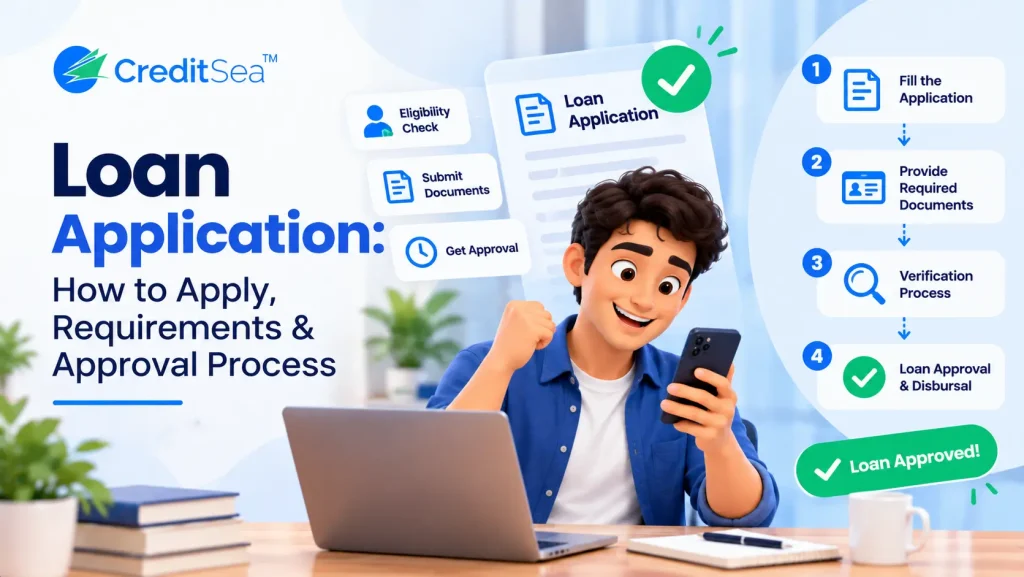
Applying on a loan application can feel a little confusing sometimes, especially if it’s your first time applying for a loan. You will have questions regarding which information to share, what documents need to be provided and what happens if you submit your application.
The loan application is the process in which you share your personal, financial and employment details with a lender to request a credit. The lenders checks this information and assess your eligibility in various factors.
When you understand completing a loan application well you will stop yourself from making up mistakes. It will help you prepare the required information, avoid common mistakes, and make more responsible decisions.
What Is a Loan Application?
A loan application is the formal document that you share with the bank, A non-banking financial company (NBFC), or another authorised lender when you want to take a loan. It contains all the details and information taht will help the lender to understand the financial situation and other eligibility criteria of the borrower.
It gives an idea to the lender whether you will be able to repay the loan or not. Depending upon the lender and the type of loan it is, a loan application might ask for your name, contact details, employment information and other necessary details that needs to be completed.
You have two options: either you can complete your loan application online by going through the lender’s website or a mobile application or you can visit the branch and do the process offline. But, understand that submitting your application does not mean that your loan is approved. The lender will have to assess your information before they make a decision.
How to Apply for a Loan: Step-by-Step Process
1. Determine Your Loan Requirement:
Before you apply, identify why do you need a loan and how much you actually need to borrow. Consider whether that expense is necessary to make or not, what amount will cover it and how the repayment actually fit in your budget. Avoid taking a loan when you clearly have no requirement and just because the lender offers a higher amount. A large loan will definitely result in higher interest rates and repayment burden on you.
2. Compare the Lenders and Loan Offers:
Research on different lenders before you submit your application and compare their interest rates, processing fees and other applicable charges and eligibility requirements.
Do not just make a decision based on the interest rate alone. Check the Annual percentage Rate(APR), that reflects the annualised cost of borrowing, including its applicable charges and the KFS.
Also actually verify who the lender is. If you use a digital lending app, check which is the regulated bank or NBFC that is providing the loan and whether the app acts as a Lending service provider (LSP)
3. Check the Loan Application Requirements:
Common requirements for these might be:
- Identity verification: Aadhaar card, PAN details, address
- Employment details: Salary slips & other details Income stability
- Bank account information
4. Fill Out the Loan Application Form:
Start with entering the information carefully. That will include your personal details, Residential address, Employment information and all the necessary details and make sure that they match your supporting documents. An incorrect information can lead to more additional verification or delays.
So, before you submit your loan review all the entries that you have done and review them carefully and share the information only to the lender’s official website or verified application.
5. Submit Your Documents and Complete Verification:
After the submission of the documents in the application, that are requested by the lender. Depending upon the loan type, the verification for that might involve electronic KYC, income checks, bank statement analysis, or other checks permitted by the lender.
The lender will asses your credit history, repayment record and existing debt obligation and your ability to repay the amount.
6. Review the loan offer:
Then you receive the loan offer letter, in that you need to review your interest rates, APR, processing fee, tenure and total payable amount. Read the Key fact statement carefully, where applicable, so that you understand the key terms and charges.
7. Accept the offer letter and check the funds:
If you qualify for the lender’s requirements and accept the loan’s terms and conditions, it will advance to the disbursal stage. The timeline for that will depend on the lender’s verification and processing fees.
How to Check Your Loan Application Status
When your loan application has been submitted, You might want to know whether it is still under review, approval or its rejected. You can check your loan application by following these methods:
- The official website or app: You login into the platform where you have submitted your application and then look for the application status section.
- Check the reference number of the application: Every application has a reference number, use that reference number which is provided by the lender, when you contact the official customer support team.
- Contact the lender through customer support: You should contact the lender by going through the verified support channels if the status has not changed yet.
FAQs
1. What Is a Loan Application?
When you borrow money, you will submit a formal document to the lender; this is called a loan application. It has all the details that are important for the lender to know like your income, employment, and the loan amount that is being asked.
2. What are the documents that are required for a loan application?
Requirements for the loan application vary by the lender and what loan type it is. Some commonly requested information is identity, proof of your address, PAN details wherever needed, income proof, bank details, and employment stability.
3. How long does a loan application take to get approved?
The timeline for the application to get approved completely depends on the lender the loan product, and the completion of the application and verification requirements. Some digital processes might be quick, but the approval & disbursal are not guaranteed within a specific period of time.
4. How can I check my loan application status?
You can check your status by going through the lenders official website or app you can use your application reference number or by contacting the verified customer support.
5. Can I apply for a loan after my application is rejected?
Yes, you can apply again if your loan application gets rejected. But it would be sensible to first understand why your application was rejected because applying on multiple applications at once can invite multiple hard inquiries on your credit, which will have an effect on your CIBIL score.
Final Takeaway
A loan application involves more than filling out a form. It requires you to understand everything well before your borrow. It lets you understand your borrowing needs, check the lender’s requirements, provide accurate information, and review all the terms of the loan before you accept the offer.